The Hoorn Manual of Style
Third edition, version 2026L1I was raised bilingual, fluent in both English and Dutch.1 I was also raised by massive pedants. This has resulted in me picking up a great many idiosyncracies in my wielding of the English tongue — a Batavian influence here, an archaism there — so many, in fact, that i thought it would be prudent to compile them all in one place, for my reference and yours. I would like to preëmptively apologise to Chaucer, Shakespeare, and Eliot for how i have massacred their language.
✦ Rules marked with a star are particularly reflective of my own personal eccentricities, and need not apply to works of fiction written from the perspective of some other git.
1. Spelling
Use British English spellings and terminology.
- colour; endeavour; flavour; honour; humour; neighbour
- calibre; centre; litre; sabre; sombre; theatre
- defence; offence; pretence
- analogue; catalogue; dialogue; monologue
- cancelling; jewellery; signalling; travelling; tranquillise
- ageing; likeable; programme (even for computers); tonne
- aeroplane; aluminium; (an) annexe; artefact; cheque; chilli; grey; (a) kerb; plough; pyjamas; sceptic
Prefer the endings -ise and -yse over -ize and -yze, unless it would be etymologically improper.
- analyse; organisation; realise
- but
- capsize; resize; seize
If a spelling of a Græco-Latinate word with ae or oe is still in use, it should generally be spelt with a ligature æ or œ. Watch out for false friends: many ae and oe words originate from other languages or originally represented two separate syllables.
- æon; æsthetics; archæology; chamæleon; encyclopædia; fæces; gynæcology; mediæval; palæontology; pædiatric
- amœba; cœliac; diarrhœa; homœopathy; manœuvre; œstrogen; phœnix
- but
- aeroplane; aerosol; maelstrom; Phoenix, Ariz.; toe
- economics; enigma; fetus; premium
When double ees and oos mark two separate sounds, the latter letter should be topped with a diæresis.2
- coöperate; deëmphasise; Laocoön; reëlection; zoölogy
- also
- naïveté
- but
- continuum; radii; reunion
1.1. Capitalisation
Prefer “down style” to “up style”; if something can be lowercased, it generally should be.
- the prime minister
- the internet
- the world wide web
- the government
Titles (when used in front of names) and proper names of states and countries should be capitalised, however:
- The prime minister of Canada met President Biden on Sunday.
- the United States of America; the People’s Republic of China
- but
- the republic of Ireland (the country’s official name is just Ireland)
✦ Decapitalise the pronoun i when not at the start of a sentence.
- I thought i’d left it over there.
Acronyms (that is, abbreviations of initial letters pronounced as one word) should be set in title case when referring to proper nouns and organisations, and in lowercase when referring to common nouns and verbs.
- Aim; Gestapo; Latex; Nasa; Nato; Ukip; Unicef
- aids; bios; captcha; covid-19; gif; jpeg; laser; radar; scuba
Initialisms (those abbreviations pronounced as the individual letters) should usually be set in small caps. Those which refer to people or states and are no longer than three letters may remain in ALL CAPS; those functioning more as phrases than as defined nouns or verbs in their own right may use italics with full stops between each letter.
- BBC; CD; FBI; GCHQ; HTML; LGBT; NAACP; PhD; USSR
- but
- IDS; JFK; UK; U.S.; USA
- a.k.a.; a.m.; e.g.
Colour terms used in reference to ethnicity — black, brown, white — should usually be lowercase, but may be capped up if they form part of a compound term.
- Rock music has its roots in the syncretism of black and white musical traditions.
- The indigenous tribes of Papua New Guinea are among the world’s most diverse.
- This is fine too:
- Born to a Black Caribbean family, she suspected she also had some Native American ancestry.
Use lowercase pagan in reference to pre-modern polytheistic faiths; use uppercase Pagan for the modern revival movement. Emperor Julian was a pagan; Gerald Gardner was a Pagan. Similarly, use lowercase witch for anyone alleged to practise the magic arts; use uppercase Witch for practitioners of Wicca or the many other related latter-day religious movements.
1.2 Foreign terms
Words of foreign origin used in English need not be italicised. The educated reader is surely already familiar with the concepts of, say, a fatwa, or a yeshiva; even for more obscure terms, there is no reason why the Kazakh “besbarmaq” should be treated any differently than the Tudor “syllabub”.
This recommendation does not extend to multi-word phrases. Je ne sais quoi has long been used in the middle of English sentences, but neither je nor ne nor sais nor quoi mean anything at all on their own; italicisation ensures the phrase is treated as a single unit, much like the title of a book or film.
When romanising foreign-language text, one should generally defer to the recommendations of the United Nations Group of Experts on Geographical Names. The two exceptions i have found so far are Ancient Greek (for which i prefer a more Latinate transcription scheme) and Russian (for which the UN’s janky solution leaves something to be desired).
| Transcription table for Ancient Greek | |||||
|---|---|---|---|---|---|
| Greek | Latin | G | L | G | L |
| α | a | ᾳ | ai | αι | æ |
| αυ | au | β | b | γ | g |
| γγ | ng | γκ | nc | γξ | nx |
| γχ | nch | δ | d | ε | e |
| ει | ei | ευ | eu | ζ | z |
| η | ē | ῃ | ēi | ηυ | ēu |
| θ | th | ι | i | κ | c |
| λ | l | μ | m | ν | n |
| ξ | x | ο | o | οι | œ, oi (final) |
| ου | ou | π | p | ρ, ῤ | r |
| ῥ | rh | ρῥ | rrh | σ, ς | s |
| τ | t | υ | y | υι | yi |
| φ | ph | χ | ch | ψ | ps |
| ω | ō | ῳ | ōi | αϊ | aï |
| ά | á | ὰ | à | ῆ | ê |
| ἀ | a | τἀ | t’a | ἁ | ha |
| Transcription table for Russian | |||||
|---|---|---|---|---|---|
| Cyrillic | Latin | C | L | C | L |
| а | a | б | b | в | v |
| г | g | д | d | е | e, ye (initial or after a/e/o/u) |
| ё | yo, o (after i) | ж | zh | з | z |
| и | i | й | y | к | k |
| л | l | м | m | н | n |
| о | o | п | p | п | r |
| с | s | т | t | у | u |
| ф х ц | f | х | kh | ц | ts |
| ч | ch | ш | sh | щ | sch |
| ъ | ” | ы | y | ь | ’ |
| э | è, e (initial or after a/e/o/u) | ю | yu, u (after i) | я | ya, a (after i) |
1.3 Punctuation
Use em and en dashes for their proper functions, setting off em dashes with a space on either side.3
- Excuse me — is this the London–Manchester train?
The difference between quote marks, apostrophes, primes, and so on can get confusing quickly. There follows a short guide on their proper use.
“ ”, ‘ ’: These are quote marks, used to mark when a person is speaking or for sarcastic effect as ‘scare quotes’. In keeping with British usage, punctuation should be kept outside of the quote marks if it does not form a part of the quote itself.
- “Reports have started trickling in of a ‘gigantic explosion’ near Jesmond.”
- ‘The explosion was an “unexpected consequence of getting a pet cat”, said Aurora after the dust had settled.’
In Dutch, use the traditional „ ” form, with the left side aligned beneath the text.
- „En hoe moest ík weten dat de kat een blok c4 bij zich had‽”
’: This is an apostrophe, used to mark possession and contraction.
- Aisha’s car
- the teachers’ union
- ’twas
- don’t
ʻ ʼ: These are an ʻokina and a saltillo, used to denote glottal stops (like the gap in the middle of uh-oh) in various foreign language. Some of these languages, most notably Hawaiian, have imported words back into English.
- ʻaʻā
- Hawaiʻi
- Oʻahu
- ‘ō‘ō
′ ″: These are a prime and a double prime, most often used to notate feet and inches or arcminutes and arcseconds.
- I’m 6′ 2″.
- 49° 12′ 1″ north, 3° 33′ 2″ east
' ": These are “dumb quotes”, the ones you’ll find on your keyboard. They should only be used in verbatim transcriptions of computer code.
-
console.log("Beware the Jabberwock, my son!"); -
'0.1' +
							'0.2' !=
							'0.3'
2. Terminology
- æther, ether
The æther is the emptiness of space. An ether is a type of chemical.
- Americanisms
-
As said previously, British terminology should be preferred to its Stateside equivalent. The following table lists some words which tend to catch me out.
British English United States English autocue teleprompter full stop period gherkin pickle (as a noun) number plate license plate series (of television) season solicitor attorney sledge sled storey (of a building) story stand (for election) run torch flashlight windscreen windshield - content
-
Avoid the word content at all costs. A filmmaker makes films, an author writes books, and yet we on the internet make content — as if our work only exists to fill up space between the ads!
- counties
-
There are several competing standards of what counts as a “county” in the British context, and what ends up where. I prefer the oldest, that being the historic counties used until 1974(ish).
- dæmon, demon
A dæmon is a good or neutral guiding spirit. A demon is a malevolent entity.
- dates
-
Prefer CE and BCE to AD and BC.
When writing dates numerically, use the year–month–day format.
- 1776/07/04
- 1952·02·06
- 1963.11.23
- 2001-09-11
Feel free to write, alongside the Gregorian date, the equivalent date in the Attic festival calendar.
- euphemisms and jargon
-
Avoid mealy-mouthed euphemisms unless you’re using them for comedic effect (say, answering nature’s call instead of gannin’ for a piss). Jargon — as is terribly common in the LGBT community, for whatever reason — should also be avoided and replaced with something people are more likely to understand.
Some terms to avoid:
What people say What they mean AGAB or assigned gender at birth birth sex Bame, people of colour, Bipoc, &c. ethnic minority, non-white, or be specific deadname birth name differently abled disabled enhanced interrogation torture gender confirmation surgery a sex change4 or be specific the global south, the third world, or the developing world poor(er) countries human-rights abuses be specific problematic be specific sunset (a product) shut down unhoused homeless - geography
-
The naming of places can be a surprisingly geopolitically pernickety issue — see, for example, many Persian Gulf states’ politically correct renaming to the Arabian Gulf, or the perennial tendency of narcissistic autocrats to bestow their own names upon cities.
In general, if a place’s historic English name is still in common use today, that should be the name one uses. For example:
- Bangalore (not Bengaluru)
- Beijing (not Peking)
- Brunswick (not Braunschweig)
- Derry (not Londonderry)
- The Hague (no matter how much i want to call it Den Haag)
- Hanover (with one N)
- Istanbul (neither Constantinople nor İstanbul)
- Jaffa (not Yafo)
- Kyiv (not Kiev)
- Mecca (not Makkah)
- Mumbai (not Bombay)
- Saigon (not Ho Chi Minh City)
- Thessalonica (it’s complicated but just pick one and stick with it)
- Turkey (not Türkiye)
- Gypsies and Roma
-
Gypsy (capped up, since it refers primarily to an ethnic group) is the accepted term in the UK, but likely to cause offence internationally — use Roma or Romany if referring to those outside the UK or writing for an international audience.
- hedge words
-
Hedge words (“kind of”, “a little”, “somewhat”, “rather”) are the weeds that slip in and infect perfectly good texts. Before hitting the save button on a paragraph which includes one, take a moment to consider whether you need it.
- licence, license
-
Licence is a noun. To license is a verb.
- measurement
-
Either metric or imperial, as used in the UK,5 may be used on English-language pages. Dutch pages should use exclusively metric.
- meter, metre
-
A meter is a device used to measure something. A metre is the international standard unit of length.
- names
-
The best source for how to spell someone’s name is the person themself. If they’re long dead, don’t speak fluent English, or both… well, nobody’s going to lose sleep over Gadaffi versus Qadhafi.
✦ After the first mention of a person, they should usually be referred to with a courtesy title, such as the following.
- Mr
- Ms
- Mx
- Dr
- Prof
Note that names differ throughout cultures. In eastern Asia and Hungary, surnames come before the given name, and Icelanders, Ethiopians, and some Indonesians don’t have surnames in the first place.
- Cerice van Houten → Ms van Houten
- Daði Freyr Pétursson → (Mr) Daði
- Lisa Nandy → Ms Nandy
- Magyar Péter → Mr Magyar
- Sam Smith → Mx Smith
- Stephen Hawking → Prof Hawking
- Sukarno → (Mr) Sukarno
- Takeuchi Mariya → Ms Takeuchi
- Tedros Adhanom → Dr Tedros
- Xi Jinping → Mr Xi
Many Commonwealth countries issue people with the titles “Sir” and “Dame” as part of an order of chivalry. Sirs and dames may be referred to either by their title and their given name or one of the above courtesy titles and their surname.
- Dame Jocelyn Bell Burnell → Dame Jocelyn or Ms Bell Burnell
- Sir Patrick Stewart → Sir Patrick or Mr Stewart
- practice, practise
-
Practice is a noun. To practise is a verb.
- version numbering
-
“Semantic versioning” (1.12.3, 5.0.4, that sort of thing), as beloved by techies of all stripes, will only lead to ruin. If you’re going to keep a version number, use this more date-based scheme:
-
Version 2015J
- 2015: Year of release
- J: First half of May
-
Version 2023D6
- 2023: Year of release
- D: Second half of March
- 6: Sixth version of 2023D
Semimonthly letter codes Code Date Code Date A January 1–15 B January 16–31 C February 1–15 D February 16–29 E March 1–15 F March 16–31 G April 1–15 H April 16–30 J May 1–15 K May 16–31 L June 1–15 M June 16–30 N July 1–15 P July 16–31 Q August 1–15 R August 16–31 S September 1–15 T September 16–30 U October 1–15 V October 16–31 W November 1–15 X November 16–30 Y December 1–15 Z December 16–31 -
Version 2015J
- who, whom
Who gives a shit?
3. Markup
Use <em> when a change of tone is implied. When the font choice is merely stylistic, use
<i>.
-
<i>Homo sapiens<i>is a<em>very<em>interesting animal.
Use sidenotes for ancillary information. If something would be too unwieldy for a sidenote, consider a
<details>
element instead.
Make images as lightweight as possible without sacrificing detail. It’s the kind thing to do for those of us with poor connections.
Keep CSS code nice and tidy by putting properties in the following order:
content(if applicable)-
Positioning
positioninset-block,inset-inline, &cz-index
-
Display, grid, and flex
displayflexand friendsgrid-template-columnsand friendsgapalign-*,justify-*, and friends
-
Box model
float- Size (
inline-size,max-block-size,aspect-ratio…) - Margin
- Padding
- Others (
overflow,clip…)
-
Typography (
color,font-*,text-*, &c, in alphabetical order) - Visuals (alphabetical order)
- Transitions and animation (alphabetical order)
Prefer logical properties like inline-size and margin-block-start to ones like
width and margin-top — they work better across languages, from English to Arabic
to even vertical scripts like Mongolian.
3.1 Accessibility
All non-decorative images should have descriptive alt text or an attached transcript. (I like to think of the role of alt text as being like that guy on a podcast who has to awkwardly describe the image the rest of the crew are seeing for the audience. Don’t waste people’s time too much.)
Video files should come with subtitles and, if what people are saying within is important to the text, a transcript.
Make sure text and background colours have at least AA-grade contrast. WhoCanUse.com is a good tool for checking this sort of thing.
3.2 URLs
Page URLs should be short, but not opaque, following in the footsteps of
Qntm.org’s scheme. Take the linkroll.
satyrs.eu would be unwieldy, and
satyrs.eu/l utterly unhelpful. satyrs.eu/linkroll is concise, memorable, and to
the point.
4. Faith
The Gods’ names should be transcribed according to their original Ancient Greek forms, using the system outlined in §1.2.
- Apollon, Dionysos, Haides
- but
- Dike, Nike (too easy to confuse for common English words otherwise)
✦ This also goes for terms derived from Their names, unless said names also refer to common nouns in the original Greek.
- Bacchanalian; Hermaphroditic; Hermetically sealed
- but
- geology; oceanic
✦ Nouns and pronouns referring directly to a God should be capped up.
- Apollon the Archer stretches His glittering bow back…
God and Goddess should usually be capitalised, but lowercase is preferable when used in metaphorical contexts or curses.
- Ishtar is the Akkadian Goddess of war and love.
- The official motto of the United States is “In God we trust”.
- but
- If our stock price is any indication, the money gods have abandoned us.
- For the love of god, would you stop that?
4.1. Christianity
As i have no theological dog in this race, references to Christianity should follow the traditions of the Church of England where relevant (say, in determining how many books the Bible has, or what order the ten commandments come in).
Biblical quotations should be lifted from Robert Alter’s masterful translation of the Hebrew Bible and David Bentley Hart’s studiously literal version of the New Testament, though if those are unavailable the less prosaic NRSV will do in a pinch.
- When God began to create heaven and earth, and the earth then was welter and waste and darkness over the deep and God’s breath hovering over the waters, God said, ‘Let there be light.’ And there was light.
- For God so loved the cosmos as to give the Son, the only one, so that everyone having faith in him might not perish, but have the life of the Age.
5. General guidelines for the site
✦ Try to keep it the equivalent of a BBFC 15 rating. Innuendo is fine, but please don’t explicitly detail people’s sexcapades or horrible injuries.
Don’t get too deep into tech-nerdery. Making your website all about the technology you used to build it would be like Michelangelo using his talents to make a giant statue of a chisel.
Avoid politics if at all possible. I, for one, surf the ’net to get away from all of the horrible things of real life, and would rather not hear about whatever Boris Johnson has done this time. (Equal-opportunity snark about upcoming elections may be acceptable.)
There are enough miserable, cynical louts on the internet, and you mustn’t let yourself join them. It’s a beautiful wide world out there, and you’re going to spend it kvetching on your website about what someone said on the internet? No thank you!
Plain English is well and good if you’re writing an instruction manual, but for anything else, you will soon find yourself drowning in a sterility that makes the eyes glaze over. Throw out the guides of Orwell, Strunk, and White, and instead consider the advice of the theologian David Bentley Hart:
Always use the word that most exactly means what you wish to say, in utter indifference to how common or familiar that word happens to be. A writer should never fret over what his or her readers may or may not know, and should worry only about underestimating them. As Nabokov said, a good reader always comes prepared with a dictionary and never resents being introduced to a new term. I call this the “ultracrepidarian rule,” simply because an editor once tried unsuccessfully to dissuade me from writing about a certain “polemicist who stumbles across unseen disciplinary boundaries in an ultracrepidarian stupor.” The editor lost that argument because there is absolutely no other word in the English language that so exactly means what I wanted to say.
6. Artificial intelligence
Artificial intelligence6 is the fastest-developing technology in human history, and anything one writes about it is liable to obsolesce by the end of the month. Still — it is the elephant in a thousand rooms, and it seems worthwhile to document how i use it and how i don’t.
First of all: how not to use AI. If you let a tool such as Claude or Stable Diffusion generate text or an image for you, and let it stand unaltered in the final product, that is a clear sign that you didn’t really care about whatever it is you were working on. And that’s fine! I use them for lots of things i don’t really care about: rote translations, small decorative elements, and so on. But you must never, under any circumstances, let them supplant your own creativity — that’s how the brain worms get you.7
Where AI shines brightest is in the research phase. Like search engines, these things contain the compressed knowledge of the entire internet. Unlike search engines, you can just ask them what they know, in plain English, and they’ll answer. Tools like Google’s NotebookLM are even better: you can upload a bunch of sources and documents, and they’ll connect the dots and help you make sense of how they all fit together.8 (Note that if you do use AI tools for research, for the love of god, double-check your sources!)
Inevitably, you will encounter a voice in the back of your head while writing who tells you to avoid using some construction or another because it might make your work “look like AI”. It is vitally important that you beat this voice in the head with a wok. Any reader who takes knowledge of proper punctuation or the use of millennia-old rhetorical devices as evidence that a computer wrote something is an imbecile whose attention you neither need nor want.
I welcome crawlers and well-behaved bots of all stripes. This is not a particularly popular position, but, eh — i think copyright is a scam anyway, so i have no reason to complain. These models are among the most used things in history, full stop, and if even the smallest sliver of my work, my ideas, and my values ends up incorpoated into them? To me, that’s an absolute victory.
7. The most important rule of all
If following one of these rules makes something look worse, break it!
8. Appendices
Appendix A: Countries and territories
As mentioned above, geographical names can be a surprisingly divisive issue. This handy table lists this site’s preferred names for all of them, including the terms for people from there and adjectival forms — which aren’t always neatly predictable!
Countries of the world
| Flag | Name | Demonym | Adjective | Code | Sovereignty |
|---|---|---|---|---|---|
 |
Abkhazia | an or many Abkhaz | ⁓ | XA | Independent, claimed by Georgia |
 |
Afghanistan | an Afghan | ⁓ | AF | Independent, gov’t not internationally recognised |
 |
Åland | an Ålander | Ålandic | AX | Finland |
 |
Albania | an Albanian | ⁓ | AL | Independent |
 |
Algeria | an Algerian | ⁓ | DZ | Independent |
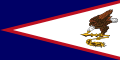 |
American Samoa | an American Samoan | ⁓ | AS | United States |
 |
Andorra | an Andorran | ⁓ | AD | Independent |
 |
Angola | an Angolan | ⁓ | AO | Independent |
 |
Anguilla | an Anguillan | ⁓ | AI | United Kingdom |
 |
Antarctica | N/A | Antarctic | AQ | It’s complicated |
 |
Antigua and Barbuda | an Antiguan | ⁓ | AG | Independent |
 |
Argentina | an Argentinian | Argentine | AR | Independent |
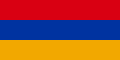 |
Armenia | an Armenian | ⁓ | AM | Independent |
 |
Aruba | an Aruban | ⁓ | AW | Netherlands |
 |
Ascension Island | an Ascension Islander | N/A | AC | United Kingdom |
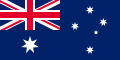 |
Australia | an Australian | ⁓ | AU | Independent |
 |
Austria | an Austrian | ⁓ | AT | Independent |
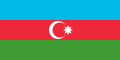 |
Azerbaijan | an Azerbaijani or Azeri | ⁓ | AZ | Independent |
 |
the Bahamas | a Bahamian | ⁓ | BS | Independent |
 |
Bahrain | a Bahraini | ⁓ | BH | Independent |
 |
Bangladesh | a Bangladeshi | ⁓ | BD | Independent |
 |
Barbados | a Bajan | Barbadian | BB | Independent |
 |
Belarus | a Belarusian | ⁓ | BY | Independent |
 |
Belgium | a Belgian | ⁓ | BE | Independent |
 |
Belize | a Belizean | ⁓ | BZ | Independent |
 |
Benin | N/A | Beninese | BJ | Independent |
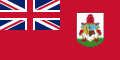 |
Bermuda | a Bermudian | ⁓ | BM | United Kingdom |
 |
Bhutan | N/A | Bhutanese | BT | Independent |
 |
Bolivia | a Bolivian | ⁓ | BO | Independent |
![[loc.country.bq/bo]](/flags/bq/bo.png) |
Bonaire | a Bonairean | ⁓ | BQ-BO | Netherlands |
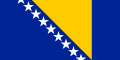 |
Bosnia | a Bosnian (national), a Bosniak (ethnic) | ⁓ | BA | Independent |
 |
Botswana | a Motswana, many Batswana | Botswanan | BW | Independent |
 |
Brazil | a Brazilian | ⁓ | BR | Independent |
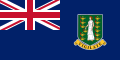 |
the British Virgin Islands | a British Virgin Islander | N/A | VG | United Kingdom |
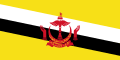 |
Brunei | a Bruneian | ⁓ | BN | Independent |
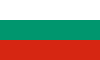 |
Bulgaria | a Bulgarian | ⁓ | BG | Independent |
 |
Burma | N/A | Burmese | MM | Independent, at civil war |
 |
Burkina Faso | a Burkinabé | ⁓ | BF | Independent |
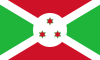 |
Burundi | a Burundian | ⁓ | BI | Independent |
 |
Cambodia | a Cambodian (national), a or many Khmer (ethnic) | ⁓ | KH | Independent |
 |
Cameroon | a Cameroonian | ⁓ | CM | Independent |
 |
Canada | a Canadian | ⁓ | CA | Independent |
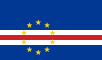 |
Cape Verde | a Cape Verdean | ⁓ | CV | Independent |
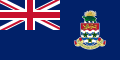 |
the Cayman Islands | a Caymanian | ⁓ | KY | United Kingdom |
 |
the Central African Republic | a Bêafrîkan | ⁓ | CF | Independent, at civil war |
 |
Chad | a Chadian | ⁓ | TD | Independent |
 |
the Chagos Islands | a Chagossian | ⁓ | IO | United Kingdom, internationally contested |
 |
Chile | a Chilean | ⁓ | CL | Independent |
 |
China | N/A | Chinese | CN | Independent |
 |
Christmas Island | a Christmas Islander | N/A | CX | Australia |
 |
the Cocos Islands | a Cocos Islander | N/A | CC | Australia |
 |
Colombia | a Colombian | ⁓ | CO | Independent |
 |
the Comoros | a Comorian | ⁓ | KM | Independent |
 |
Congo-Brazzaville | a Congo-Brazzavillean | Congo-Brazzavillean or Congolese | CG | Independent |
 |
Congo-Kinshasa | a Congo-Kinshasan | Congo-Kinshasan or Congolese | CD | Independent, at civil war |
 |
the Cook Islands | a Cook Islander | N/A | CK | Aotearoan protectorate |
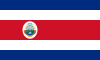 |
Costa Rica | a Costa Rican | ⁓ | CR | Independent |
 |
Côte d’Ivoire | an Ivorian | ⁓ | CI | Independent |
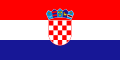 |
Croatia | a Croatian (national, a Croat (ethnic) | Croatian | HR | Independent |
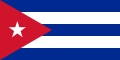 |
Cuba | a Cuban | ⁓ | CU | Independent |
 |
Curaçao | a Curaçaoan | ⁓ | CW | Netherlands |
 |
Cyprus | a Cypriot | ⁓ | CY | Independent |
 |
Czechia | a Czech | ⁓ | CZ | Independent |
 |
Denmark | a Dane | Danish | DK | Independent |
 |
Djibouti | a Djiboutian | ⁓ | DJ | Independent |
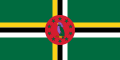 |
Dominica | a Dominican (/dɒmɪˈniːkən/) | ⁓ | DM | Independent |
 |
the Dominican Republic | a Dominican (/dəˈmɪnɪkən/), a Quisqueyano/a (poetic) | Dominican, Quisqueyan (poetic) | DO | Independent |
 |
East Timor | N/A | Timorese | TL | Independent |
 |
Ecuador | an Ecuadorian | ⁓ | EC | Independent |
 |
Egypt | an Egyptian | ⁓ | EG | Independent |
 |
El Salvador | a Salvadorean | ⁓ | SV | Independent |
 |
Equatorial Guinea | an Equatoguinean | ⁓ | GQ | Independent |
 |
Eritrea | an Eritrean | ⁓ | ER | Independent |
 |
Estonia | a Estonian | ⁓ | EE | Independent |
 |
Eswatini | a Swazi | ⁓ | SZ | Independent |
 |
Ethiopia | an Ethiopian | ⁓ | ET | Independent |
 |
the Færoes | a Færoer | Færoese | FO | Denmark |
 |
the Falklands | a Falklander or Kelper | N/A | FK | United Kingdom |
 |
Fiji | a Fiji Islander (national), a Fijian (ethnic) | Fijian | FJ | Independent |
 |
Finland | a Finn | Finnish | FI | Independent |
 |
France | a French(wo)man | French | FR | Independent |
 |
French Guiana | a Guianan | ⁓ | GF | France |
 |
French Polynesia | a French Polynesian | ⁓ | PF | France |
 |
Gabon | N/A | Gabonese | GA | Independent |
 |
the Gambia | a Gambian | ⁓ | GM | Independent |
 |
Georgia | a Georgian | ⁓ | GE | Independent |
 |
Germany | a German | ⁓ | DE | Independent |
 |
Ghana | a Ghanaian | ⁓ | GH | Independent |
 |
Gibraltar | a Gibraltarian | ⁓ | GI | United Kingdom |
 |
Greece | a Greek | ⁓ | GR | Independent |
 |
Greenland | a Greenlander | Greenlandic | GL | Denmark |
 |
Grenada | a Grenadian | ⁓ | GD | Independent |
 |
Guadeloupe | a Guadeloupean | ⁓ | GP | France |
 |
Guam | a Guamanian | ⁓ | GU | United Statse |
 |
Guatemala | a Guatemalan | ⁓ | GT | Independent |
 |
Guernsey | a or many Guernesiais | ⁓ | GG | United Kingdom |
 |
Guinea | a Guinean | ⁓ | GN | Independent |
 |
Guinea-Bissau | a Bissau-Guinean | ⁓ | GW | Independent |
 |
Guyana | N/A | Guyanese | GY | Independent |
 |
Haiti | a Haitian | ⁓ | HT | Independent |
 |
Honduras | a Honduran | ⁓ | HN | Independent |
 |
Hong Kong | a Hong Konger | Hongkongese | HK | China |
 |
Hungary | a Hungarian | ⁓ | HU | Independent |
 |
Iceland | an Icelander | Icelandic | IS | Independent |
 |
India | an Indian | ⁓ | IN | Independent |
 |
Indonesia | an Indonesian | ⁓ | ID | Independent |
 |
Iran | an Iranian | Iranian, Persian (historic) | IR | Independent |
 |
Iraq | an Iraqi | ⁓ | IQ | Independent |
 |
Ireland | an Irish(wo)man | Irish | IE | Independent |
 |
the Isle of Man | a Manx(wo)man | Manx | IM | United Kingdom |
 |
Israel | an Israeli | ⁓ | IL | Independent |
 |
Italy | an Italian | ⁓ | IT | Independent |
 |
Jamaica | a Jamaican | ⁓ | JM | Independent |
 |
Japan | N/A | Japanese | JP | Independent |
 |
Jersey | a Jersey(wo)man | Jerriais | JE | United Kingdom |
 |
Jordan | a Jordanian | ⁓ | JO | Independent |
 |
Kazakhstan | a Kazakh | ⁓ | KZ | Independent |
 |
Kenya | a Kenyan | ⁓ | KE | Independent |
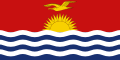 |
Kiribati | a or many I-Kiribati | Gilbertese | KI | Independent |
 |
Kosovo | a Kosovar | Kosovan | XK | Independent, claimed by Serbia |
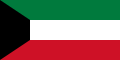 |
Kuwait | a Kuwaiti | ⁓ | KW | Independent |
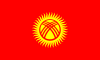 |
Kyrgyzstan | a or many Kyrgyz | ⁓ | KG | Independent |
 |
Laos | a Laotian (national), a or many Lao (ethnic) | ⁓ | LA | Independent |
 |
Latvia | a Latvian | ⁓ | LV | Independent |
 |
Lebanon | N/A | Lebanese | LB | Independent |
 |
Lesotho | a Mosotho, many Basotho | Basotho | LS | Independent |
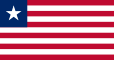 |
Liberia | a Liberian | ⁓ | LR | Independent |
 |
Libya | a Libyan | ⁓ | LY | Independent |
 |
Liechtenstein | a Liechtensteiner | Liechtensteinish | LI | Independent |
 |
Lithuania | a Lithuanian | ⁓ | LT | Independent |
 |
Luxembourg | a Luxembourger | Luxembourgish | LU | Independent |
 |
Macau | N/A | Macanese | MO | China |
 |
Madagascar | a or many Malagasy | Madagascan or Malagasy | MG | Independent |
 |
Malawi | a Malawian | ⁓ | MW | Independent |
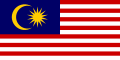 |
Malaysia | a Malaysian | ⁓ | MY | Independent |
 |
the Maldives | a Maldivian (national), a or many Dhivehi (ethnic) | ⁓ | MV | Independent |
 |
Mali | a Malian | ⁓ | ML | Independent |
 |
Malta | N/A | Maltese | MT | Independent |
 |
the Marshall Islands | N/A | Marshallese | MH | U.S. protectorate |
 |
Martinique | a Martinican | ⁓ | MQ | France |
 |
Mauritania | a Mauritanian | ⁓ | MR | Independent |
 |
Mauritius | a Mauritian | ⁓ | MU | Independent |
 |
Mayotte | a Mahoran | ⁓ | YT | France |
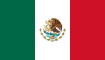 |
Mexico | a Mexican | ⁓ | MX | Independent |
 |
Micronesia | a Micronesian | ⁓ | FM | U.S. protectorate |
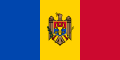 |
Moldova | a Moldovan | ⁓ | MD | Independent |
 |
Monaco | a Monégasque | ⁓ | MC | Independent |
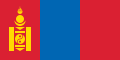 |
Mongolia | a Mongol | Mongolian | MN | Independent |
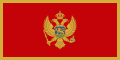 |
Montenegro | a Montenegrin | ⁓ | ME | Independent |
 |
Montserrat | a Montserratian | ⁓ | MS | United Kingdom |
 |
Morocco | a Moroccan | ⁓ | MA | Independent |
 |
Mozambique | a Mozambican | ⁓ | MZ | Independent |
 |
Namibia | a Namibian | ⁓ | NA | Independent |
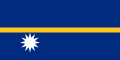 |
Nauru | a Nauruan | ⁓ | NR | Independent |
 |
Nepal | a Nepali | Nepalese or Nepali | NP | Independent |
 |
the Netherlands | a Dutch(wo)man | Dutch | NL | Independent |
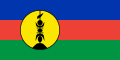 |
New Caledonia | a New Caledonian | ⁓ | NC | France |
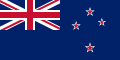 |
New Zealand | a Kiwi or New Zealander | Aotearoan | NZ | Independent |
 |
Nicaragua | a Nicaraguan | ⁓ | NI | Independent |
 |
Niger | a Nigerien | ⁓ | NE | Independent |
 |
Nigeria | a Nigerian | ⁓ | NG | Independent |
 |
Niue | a Niuean | ⁓ | NU | Aotearoan protectorate |
 |
Norfolk Island | a Norfolk Islander | Norfuk | NF | Australia |
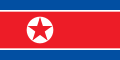 |
North Korea | a North Korean | ⁓ | KP | Independent |
 |
North Macedonia | a North Macedonian | ⁓ | MK | Independent |
 |
Northern Cyprus | a Northern Cypriot | ⁓ | XC | Independent, claimed by Cyprus |
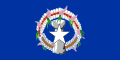 |
the Northern Marianas | a Marianan | ⁓ | MP | United States |
 |
Norway | a Norwegian | ⁓ | NO | Independent |
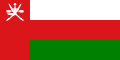 |
Oman | a Omani | ⁓ | OM | Independent |
 |
Pakistan | a Pakistani | ⁓ | PK | Independent |
 |
Palau | a Palauan | ⁓ | PW | U.S. protectorate |
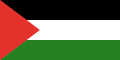 |
Palestine | a Palestinian | ⁓ | PS | Occupied by Israel |
 |
Panama | a Panamanian | ⁓ | PA | Independent |
 |
Papua New Guinea | a Papuan | Papua New Guinean | PG | Independent |
 |
Paraguay | a Paraguayan | ⁓ | PY | Independent |
 |
Peru | a Peruvian | ⁓ | PE | Independent |
 |
the Philippines | a Filipino/a | Filipino | PH | Independent |
 |
Pitcairn | a Pitcairn Islander | Pitkern | PN | United Kingdom |
 |
Poland | a Pole | Polish | PL | Independent |
 |
Portugal | N/A | Portuguese | PT | Independent |
 |
Puerto Rico | a Puerto Rican | ⁓ | PR | United States |
 |
Qatar | a Qatari | ⁓ | QA | Independent |
 |
Réunion | a Réunionnais(e) | Réunionese | RE | France |
 |
Romania | a Romanian | ⁓ | RO | Independent |
 |
Russia | a Russian | ⁓ | RU | Independent |
 |
Rwanda | a Rwandan | ⁓ | RW | Independent |
![[loc.country.bq/sa]](/flags/bq/sa.png) |
Saba | a Saban | ⁓ | BQ-SA | Netherlands |
 |
Saint Barthélemy | a Barthélemois(e) | Barthélemois | BL | France |
 |
Saint Helena | a Saint | Saint Helenian | SH | United Kingdom |
 |
Saint Kitts and Nevis | a Kittitian | ⁓ | KN | Independent |
 |
Saint Lucia | a Saint Lucian | ⁓ | LC | Independent |
 |
Saint Martin | a Saint-Martinois(e) | Saint-Martinois | MF | France |
 |
Saint Pierre and Miquelon | a Saint-Pierrais(e) | Saint-Pierrais | PM | France |
 |
Saint Vincent and the Grenadines | a Vincentian | ⁓ | VC | Independent |
 |
Samoa | a Samoan | ⁓ | WS | Independent |
 |
San Marino | N/A | Sammarinese | SM | Independent |
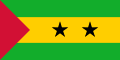 |
São Tomé and Príncipe | a Santomean | ⁓ | ST | Independent |
 |
Saudi Arabia | a Saudi | ⁓ | SA | Independent |
 |
Senegal | N/A | Senegalese | SN | Independent |
 |
Serbia | a Serbian (national), a Serb (ethnic) | Serb | RS | Independent |
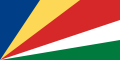 |
Seychelles | a Seychellois(e) | Seychellois | SC | Independent |
 |
Sierra Leone | a Sierra Leonean | ⁓ | SL | Independent |
 |
Singapore | a Singaporean | ⁓ | SG | Independent |
![[loc.country.bq/se]](/flags/bq/se.png) |
Sint Eustatius | a Statian | ⁓ | BQ-SE | Netherlands |
 |
Sint Maarten | a Sint Maartener | N/A | SX | Netherlands |
 |
Slovakia | a Slovak | ⁓ | SK | Independent |
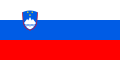 |
Slovenia | a Slovene or Slovenian | ⁓ | SI | Independent |
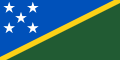 |
Solomon Islands | a Solomon Islander | N/A | SB | Independent |
 |
Somalia | a Somali | ⁓ | SO | Independent |
 |
Somaliland | a Somalilander | Somalilandic | XS | Independent, claimed by Somalia |
 |
South Africa | a South African | ⁓ | ZA | Independent |
 |
South Korea | a South Korean | ⁓ | KR | Independent |
 |
South Ossetia | a South Ossetian | ⁓ | XO | Independent, claimed by Georgia |
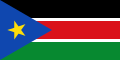 |
South Sudan | N/A | South Sudanese | SS | Independent |
 |
Spain | Spaniard | Spanish | ES | Independent |
 |
Sri Lanka | a Sri Lankan | ⁓ | LK | Independent |
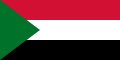 |
Sudan | N/A | Sudanese | SD | Independent, at civil war |
 |
Suriname | N/A | Surinamese | SR | Independent |
|
Svalbard | a Svalbarder | Svalbardsk | SJ | Norway |
 |
Sweden | a Swede | Swedish | SE | Independent |
 |
Switzerland | N/A | Swiss | CH | Independent |
 |
Syria | a Syrian | ⁓ | SY | Independent |
 |
Taiwan | N/A | Taiwanese | TW | Independent, claimed by China |
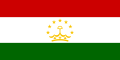 |
Tajikistan | a Tajik | ⁓ | TJ | Independent |
 |
Tanzania | a Tanzanian | ⁓ | TZ | Independent |
 |
Thailand | a Thai | ⁓ | TH | Independent |
 |
Togo | N/A | Togolese | TG | Independent |
 |
Tokelau | a Tokelauan | ⁓ | TK | New Zealand |
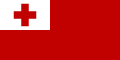 |
Tonga | a Tongan | ⁓ | TO | Independent |
 |
Transnistria | a Transnistrian | ⁓ | XT | Independent(ish), claimed by Moldova |
 |
Trinidad and Tobago | a Trinidadian | ⁓ | TT | Independent |
 |
Tristan da Cunha | a Tristanian | ⁓ | TA | United Kingdom |
 |
Tunisia | a Tunisian | ⁓ | TN | Independent |
 |
Turkey | a Turk | Turkish | TR | Independent |
 |
Turkmenistan | a Turkmen | ⁓ | TM | Independent |
 |
the Turks and Caicos Islands | a Turks and Caicos Islander | N/A | TC | United Kingdom |
 |
Tuvalu | a Tuvaluan | ⁓ | TV | Independent |
 |
the U.S. Virgin Islands | a Virgin Islander | N/A | VI | United States |
 |
Uganda | a Ugandan | ⁓ | UG | Independent |
 |
Ukraine | a Ukrainian | ⁓ | UA | Independent, partly occupied by Russia |
 |
the United Arab Emirates | an Emirati | ⁓ | AE | Independent |
 |
the United Kingdom | a Brit or Briton | British | GB | Independent |
 |
the United States | an American | ⁓ | US | Independent |
 |
Uruguay | an Uruguayan | ⁓ | UY | Independent |
 |
Uzbekistan | an Uzbek | ⁓ | UZ | Independent |
 |
Vanuatu | a or many Ni-Vanuatu | Ni-Vanuatu or Vanuatuan | VU | Independent |
 |
Vatican City | Pope Leo XIV | Vatican | VA | Independent |
 |
Venezuela | a Venezuelan | ⁓ | VE | Independent |
 |
Vietnam | N/A | Vietnamese | VN | Independent |
 |
Wallis and Futuna | a Wallisian | ⁓ | WF | Independent |
 |
Western Sahara | a Sahrawi | ⁓ | EH | Occupied by Morocco |
 |
Yemen | a Yemeni | ⁓ | YE | Independent, at civil war |
 |
Zambia | a Zambian | ⁓ | ZM | Independent |
 |
Zimbabwe | a Zimbabwean | ⁓ | ZW | Independent |
Appendix B: Country, province, and state abbreviations
In addition to the international standard letter codes, many Anglosphere nations have traditional, written abbreviations of varying length for their various subnational divisions. I have reproduced those for the United Kingdom, United States, Canada, and Australia here.
Country abbreviations
| County, state, or province | Abbreviation |
|---|---|
 Historic and ceremonial
counties of England Historic and ceremonial
counties of England
|
|
| Bedfordshire | Beds. |
| Berkshire | Berks. |
| Buckinghamshire | Bucks. |
| Cambridgeshire | Cambs. |
| Cheshire | Ches. |
| City of London (non-historic) | C. of L. |
| Cornwall | Corn. |
| Cumberland | Cumb. |
| Cumbria (non-historic) | Cum. |
| Derbyshire | Derbys. |
| Devon | Devon |
| Dorset | Dor. |
| County Durham | Co. Dur. |
| Essex | Essex |
| Gloucestershire | Glos., Gloucs. |
| Greater London (non-historic) | G. L. |
| Greater Manchester (non-historic) | G. M. |
| Hampshire | Hants. |
| Herefordshire | Here. |
| Hertfordshire | Herts. |
| Huntingdonshire | Hunts. |
| Isle of Wight (non-historic) | I. of W. |
| Kent | Kent |
| Lancashire | Lancs. |
| Leicestershire | Leics. |
| Lincolnshire | Lincs. |
| Middlesex | Middx. |
| Norfolk | Norf. |
| Northamptonshire | Northants. |
| Northumberland | Northd. |
| Notthinghamshire | Notts. |
| Oxfordshire | Oxon. |
| Rutland | Rut. |
| Shropshire | Salop |
| Somerset | Som. |
| Staffordshire | Staffs. |
| Suffolk | Suff. |
| Surrey | Sy. |
| Sussex | Ssx. |
| Tyne and Wear (non-historic) | T. &W. |
| Warwickshire | Warks. |
| Westmorland | Westm. |
| Wiltshire | Wilts. |
| Worcestershire | Worcs. |
| Yorkshire | Yorks. |
 Historic counties of
Scotland Historic counties of
Scotland
|
|
| Aberdeenshire | Aber. |
| Argyll | Arg. |
| Ayrshire | Ayr. |
| Banffshire | Banf. |
| Berwickshire | Berw. |
| Bute | Bute |
| Caithness | Caith. |
| Clackmannanshire | Clack. |
| Cromartyshire | Crom. |
| Dumfriesshire | Dumfrie. |
| Dunbartonshire | Dunbar. |
| Edinburghshire | Edin. |
| Elginshire | Elg. |
| Fife | Fife |
| Forfarshire | Forf. |
| Haddingtonshire | Hadd. |
| Inverness-shire | Inver. |
| Kincardineshire | Kincar. |
| Kinross-shire | Kin. |
| Kirkcudbrightshire | Kirkud. |
| Lanarkshire | Lan. |
| Linlithgowshire | Lin. |
| Nairnshire | Nairn. |
| Orkney | Orkney |
| Peeblesshire | Peeb. |
| Perthshire | Per. |
| Renfrewshire | Renf. |
| Ross-shire | Ross. |
| Roxburghshire | Roxb. |
| Selkirkshire | Selk. |
| Shetland | Zet. |
| Stirlingshire | Stirl. |
| Sutherland | Suther. |
| Wigtownshire | Wig. |
 Historic counties of Wales Historic counties of Wales
|
|
| Anglesey | Angle. |
| Brecknockshire | Breck. |
| Caernarfonshire | Caern. |
| Cardiganshire | Card. |
| Carmarthenshire | Carm. |
| Denbighshire | Denb. |
| Flintshire | Fl. |
| Glamorganshire | Glam. |
| Merionethshire | Meri. |
| Monmouthshire | Monm. |
| Montgomeryshire | Mont. |
| Pembrokeshire | Pembs. |
| Radnorshire | Rad. |
Counties of the island of
Ireland
|
|
| County Antrim | Co. Ant. |
| County Armagh | Co. Arm. |
| County Carlow | Co. Carl. |
| County Cavan | Co. Cav. |
| County Clare | Co. Clare |
| County Cork | Co. Cork |
| County Derry / County Londonderry | Co. Derry / Co. Londy. |
| County Donegal | Co. Dngl. |
| County Down | Co. Down |
| County Dublin | Co. Dub. |
| County Fermanagh | Co. Ferm. |
| County Galway | Co. Gal. |
| County Kerry | Co. Kerry |
| County Kildare | Co. Kild. |
| County Kilkenny | Co. Kilk. |
| County Laois | Co. Laois |
| County Leitrim | Co. Leit. |
| County Limerick | Co. Lim. |
| County Longford | Co. Long. |
| County Louth | Co. Louth |
| County Mayo | Co. Mayo |
| County Meath | Co. Meath |
| County Monaghan | Co. Mongh. |
| County Offaly | Co. Ofly. |
| County Roscommon | Co. Rosc. |
| County Sligo | Co. Sligo |
| County Tipperary | Co. Tipp. |
| County Tyrone | Co. Tyr. |
| County Waterford | Co. Wat. |
| County Westmeath | Co. Wmth. |
| County Wexford | Co. Wex. |
| County Wicklow | Co. Wklw. |
|
States of the United
States of America
|
|
| Alabama | Ala. |
| Alaska | Alaska |
| Arizona | Ariz. |
| Arkansas | Ark. |
| California | Calif. |
| Colorado | Colo. |
| Connecticut | Conn. |
| Delaware | Del. |
| District of Columbia | D.C. |
| Florida | Fla. |
| Georgia | Ga. |
| Hawaiʻi | Hawaiʻi |
| Idaho | Idaho |
| Illinois | Ill. |
| Indiana | Ind. |
| Iowa | Iowa |
| Kansas | Kan. |
| Kentucky | Ky. |
| Lousiana | La. |
| Maine | Maine |
| Maryland | Md. |
| Massachusetts | Mass. |
| Michigan | Mich. |
| Minnesota | Minn. |
| Mississippi | Miss. |
| Missouri | Mo. |
| Montana | Mont. |
| Nebraska | Neb. |
| Nevada | Nev. |
| New Hampshire | N.H. |
| New Jersey | N.J. |
| New Mexico | N.M. |
| New York | N.Y. |
| North Carolina | N.C. |
| North Dakota | N.D. |
| Ohio | Ohio |
| Oklahoma | Okla. |
| Oregon | Ore. |
| Pennsylvania | Pa. |
| Rhode Island | R.I. |
| South Carolina | S.C. |
| South Dakota | S.D. |
| Tennessee | Tenn. |
| Texas | Texas |
| Utah | Utah |
| Vermont | Vt. |
| Virginia | Va. |
| Washington | Wash. |
| West Virginia | W. Va. |
| Wisconsin | Wis. |
| Wyoming | Wyo. |
|
Provinces of Canada
|
|
| Alberta | Alta. |
| British Columbia | B.C. |
| Manitoba | Man. |
| New Brunswick | N.B. |
| Newfoundland and Labrador | N.L. |
| Northwest Territories | N.W.T. |
| Nova Scotia | N.S. |
| Nunavut | Nvt. |
| Ontario | Ont. |
| Prince Edward Island | P.E.I. |
| Quebec | Que. |
| Saskatchewan | Sask. |
| Yukon | Yuk. |
|
States and internal territories
of the Commonwealth of Australia
|
|
| Australian Capital Territory | A.C.T. |
| New South Wales | N.S.W. |
| Northern Territory | N.T. |
| Queensland | Qld. |
| South Australia | S.A. |
| Tasmania | Tas. |
| Victoria | Vic. |
| Western Australia | W.A. |
Appendix C: The Nato spelling alphabet
The Nato spelling alphabet, sometimes called the Nato phonetic alphabet for reasons i can’t quite seem to divine, is the international standard for spelling out words letter-by-letter. It’s nice to have on hand for reference.
| A | Alpha | N | November |
| B | Bravo | O | Oscar |
| C | Charlie | P | Papa |
| D | Delta | Q | Quebec |
| E | Echo | R | Romeo |
| F | Foxtrot | S | Sierra |
| G | Golf | T | Tango |
| H | Hotel | U | Uniform |
| I | India | V | Victor |
| J | Juliet | W | Whiskey |
| K | Kilo | X | X-ray |
| L | Lima | Y | Yankee |
| M | Mike | Z | Zulu |
Appendix D: Imperial measurements
This table details the most common imperial measurements as used in the UK. Metric conversions are deliberately inexact, to make it easier to calculate in my tiny little Euro-brain.
| Unit | Imperial equivalent | Metric equivalent |
|---|---|---|
| Length | ||
| Inch | N/A | ~2½ cm |
| Foot | 12 inches | ~30 cm |
| Yard | 3 feet | ~90 cm |
| Mile | 1,760 yards | ~1.6 km |
| Liquids | ||
| Fluid ounce | N/A | ~30 ml |
| Pint | 20 fluid ounces | ~550 ml |
| Quart | 2 pints | ~1.1 l |
| Gallon | 4 quarts | ~4½ l |
| Weights | ||
| Ounce | N/A | ~30 g |
| Pound | 16 ounces | ~450 g |
| Stone | 14(‽) pounds | ~6 kg |